.png)
.png)
.png)
.png)

 to add an item to your Itinerary basket.




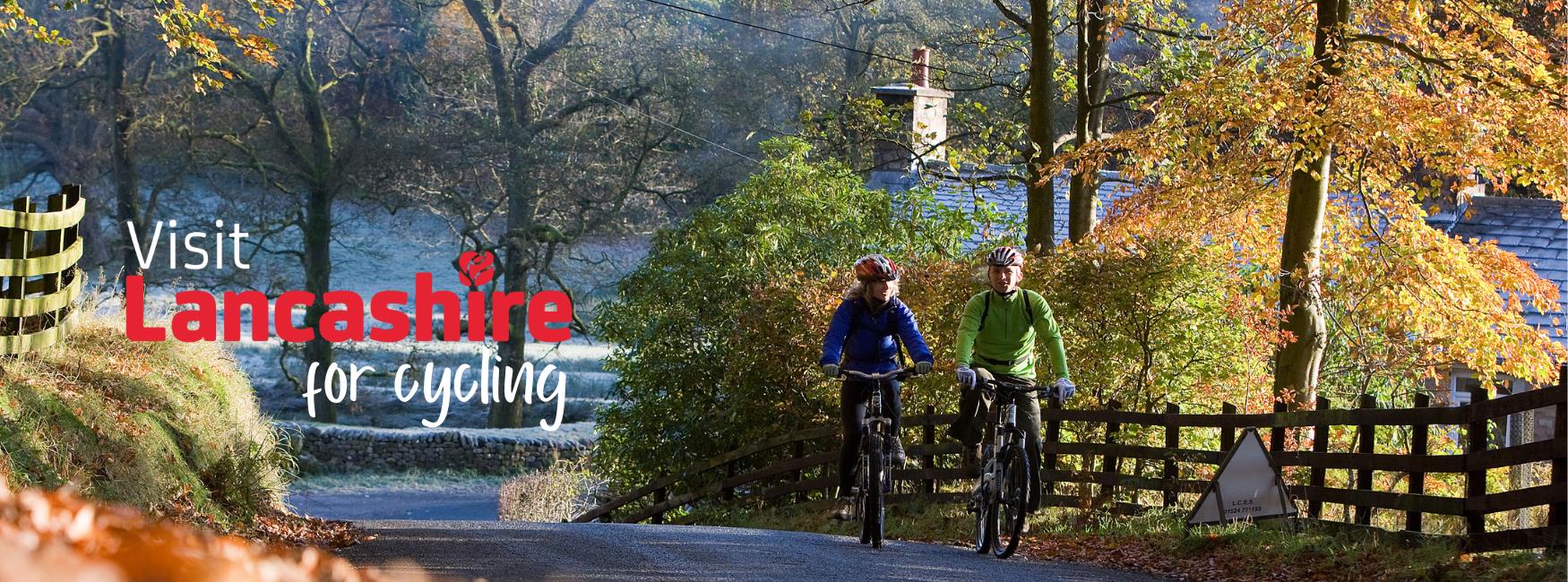
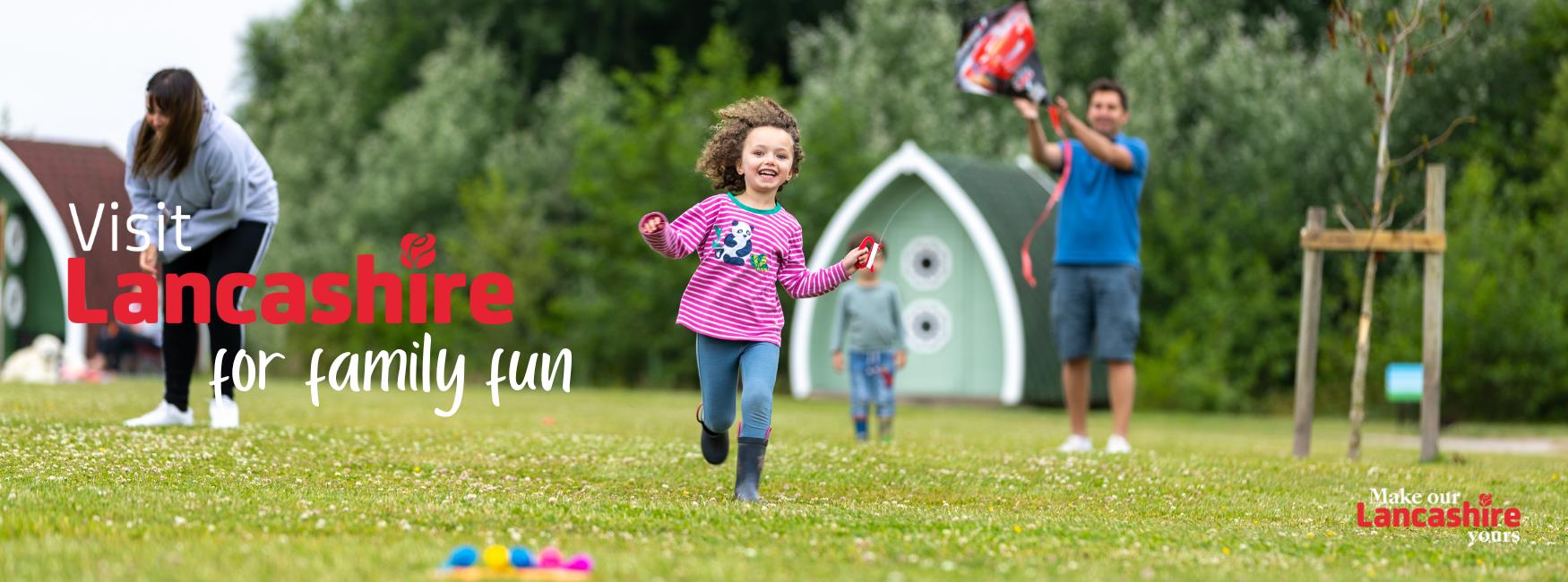
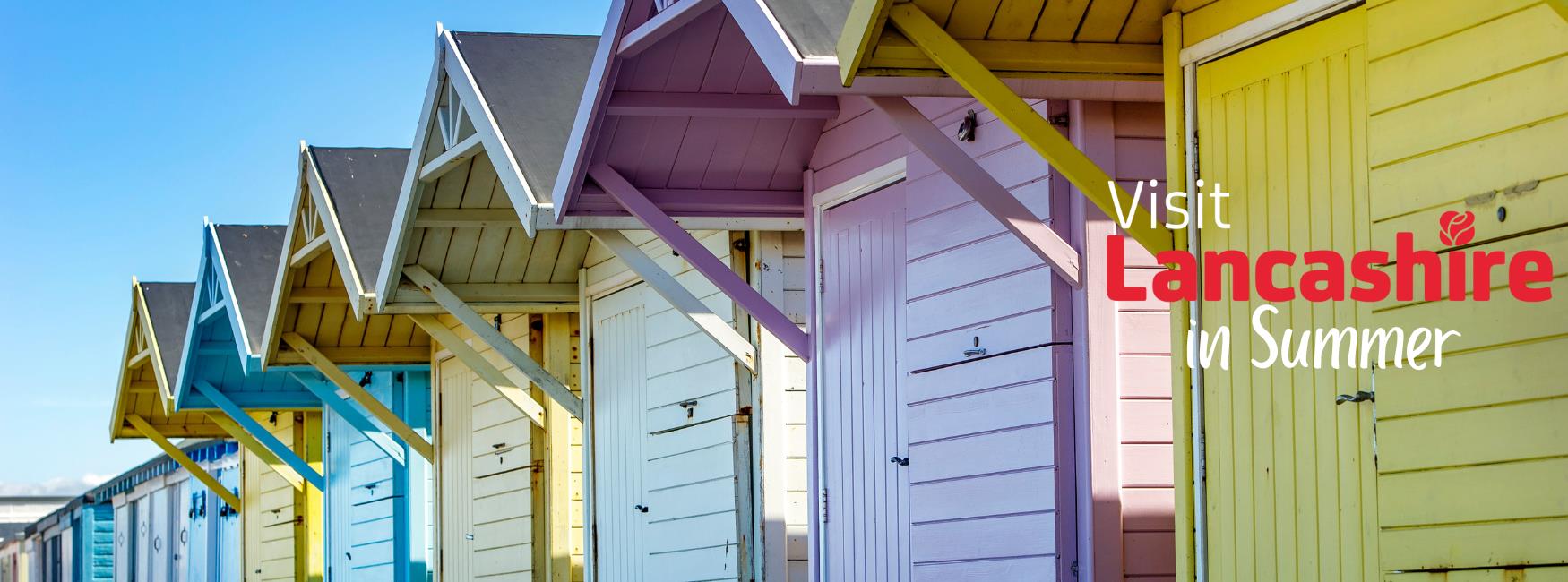
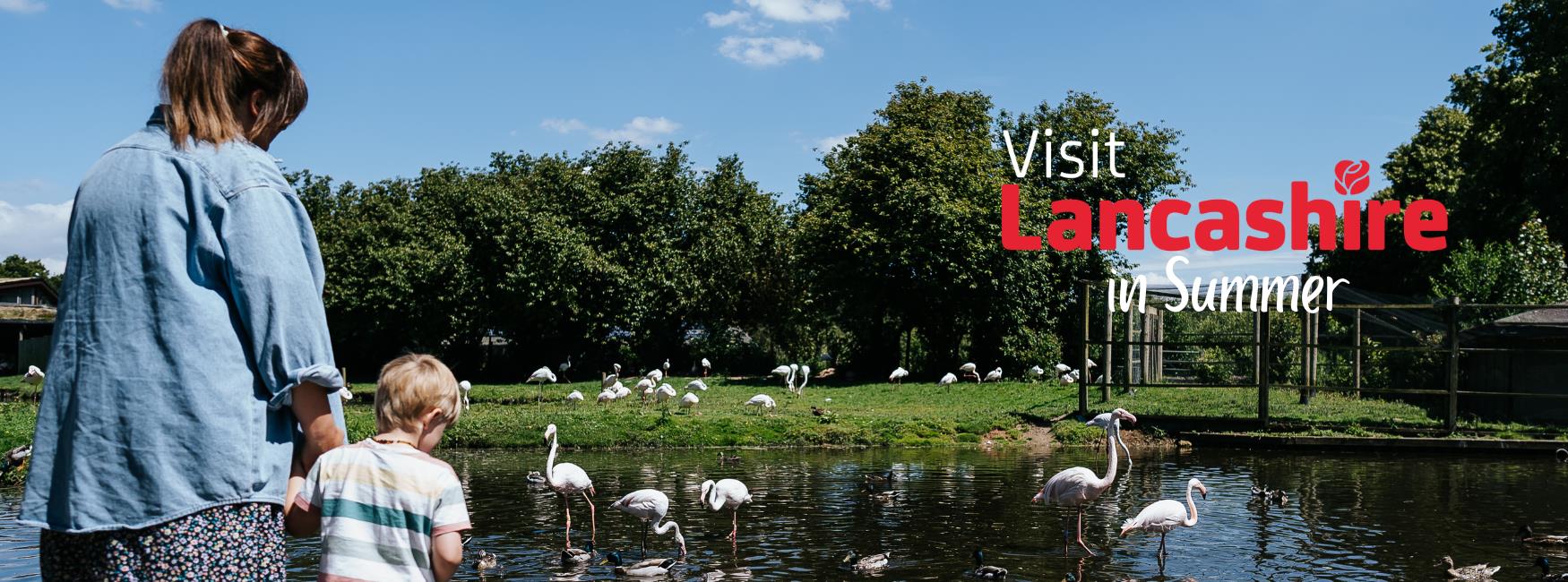





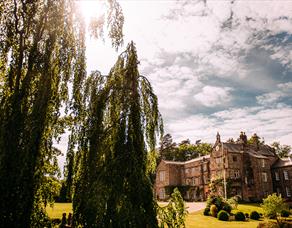
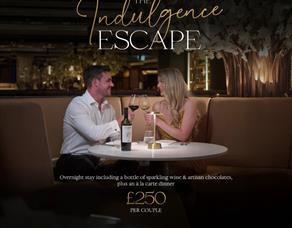
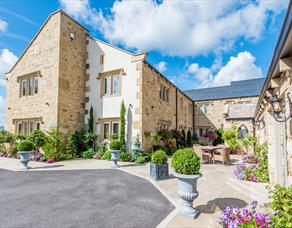

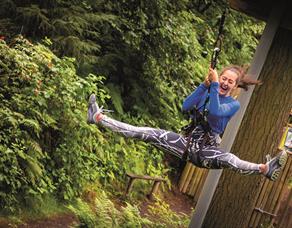
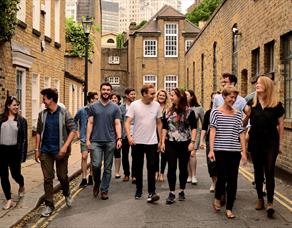








A very warm welcome to Lancashire!
VisitLancashire.com offers a tantalising glimpse into a county of contrasting landscapes, with wide, open spaces, diverse heritage and plentiful food and drink, covering 3,075 km2 of England’s North West.
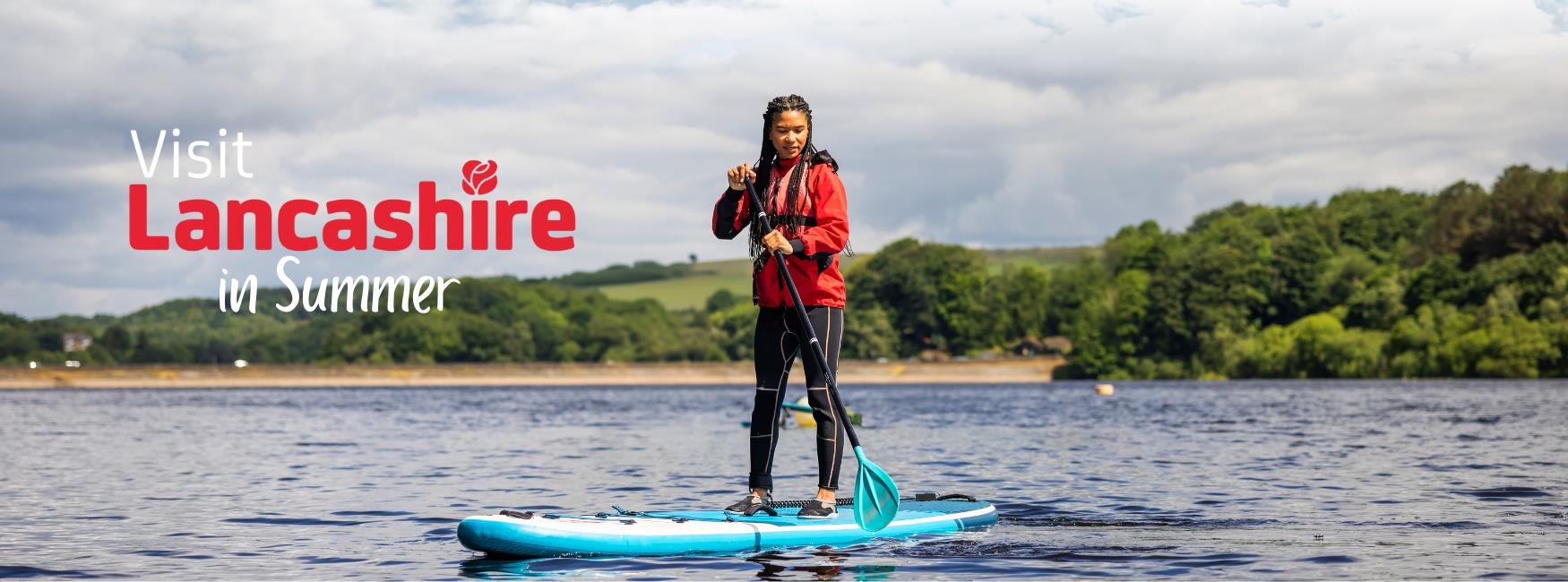
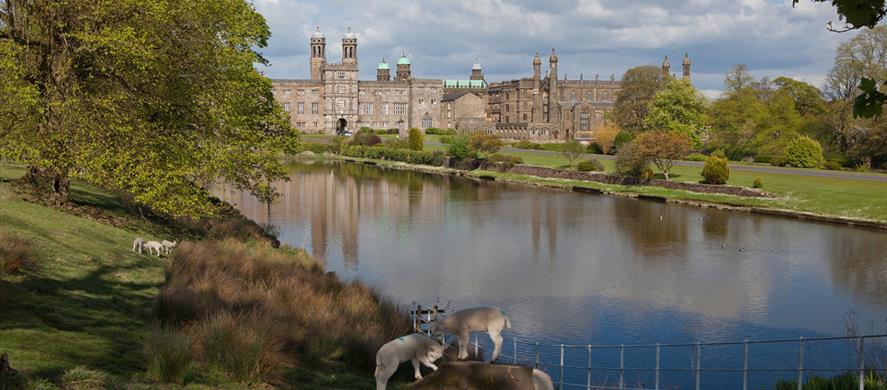
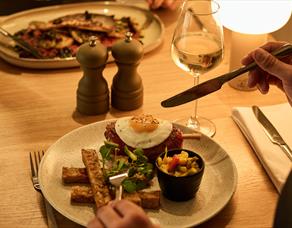
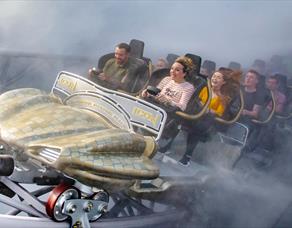
You can sample our rich culture and heritage, take to our coast and hills for some much-needed fresh air fun (and some of the best outdoor activities around) or learn why we’re referred to as the food and drink county thanks to authentic local produce that’s second to none.
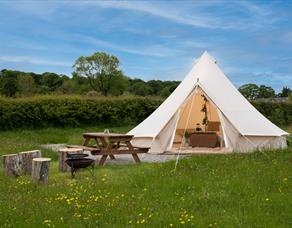
Relax, unwind and take your time exploring our fantastic county and enjoy a short break here, you’ll find an amazing variety of quality places to stay.
Make sure you follow us on Facebook, Twitter, or Instagram for the latest updates, special offers and prizedraws.
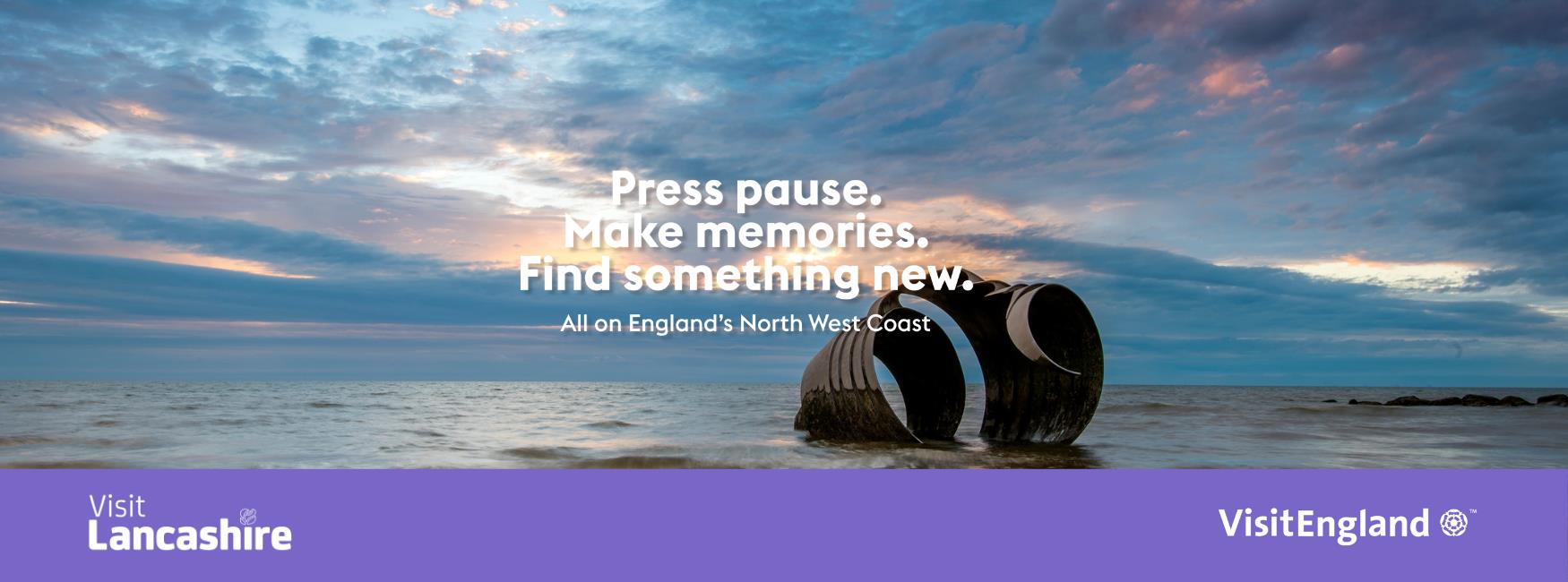
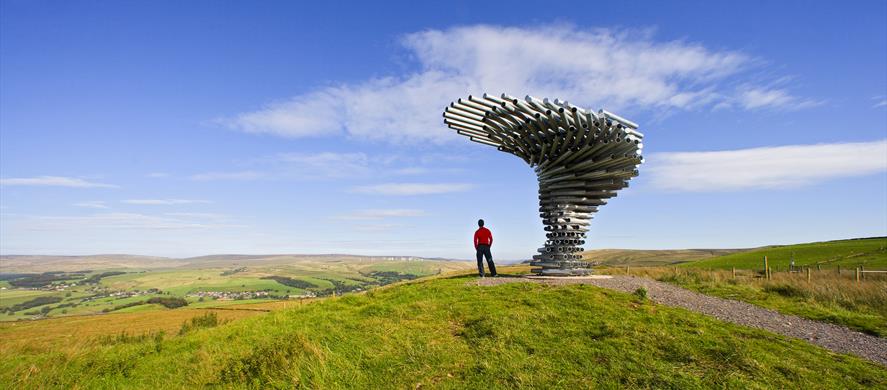
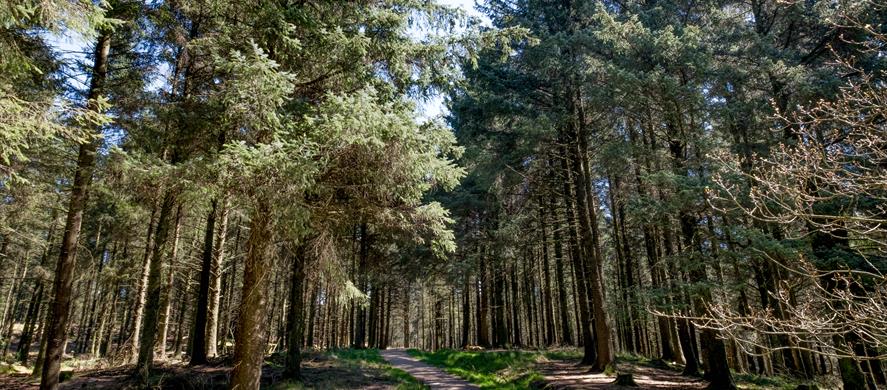
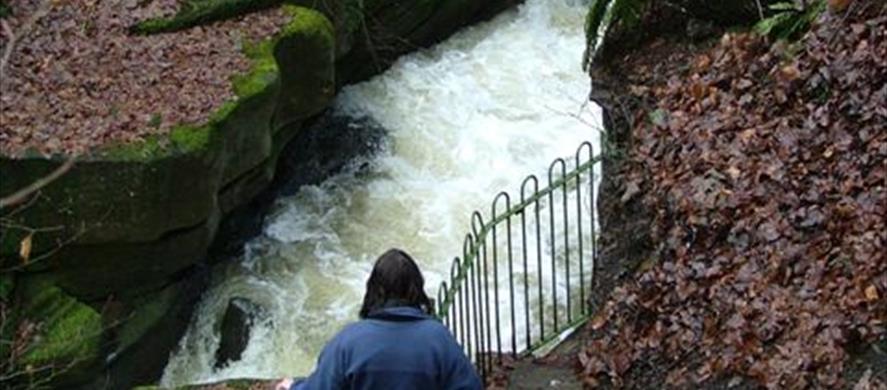
There is something for everyone, with countryside, canals, coast and towns. Enjoy stunning views, quiet lanes, rare wildlife and our famous Lancashire coastline. There is the unique, wildlife rich Morecambe Bay in the north to the flat and fertile coastal plain around Ormskirk and the Ribble Estuary.
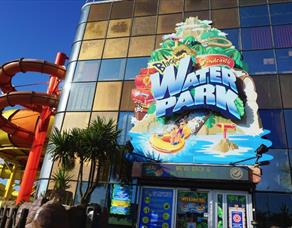
The world-famous seaside town of Blackpool with its iconic Tower in the west to the undulating fells and moorland of the Forest of Bowland Area of Outstanding Natural Beauty and the famous Pendle Hill in the east, visitors to Lancashire are truly spoilt!
Please be responsible as you explore – remember to plan ahead and check opening times, pick up your litter, apply physical distancing and follow the countryside code.