Ribble Coast and Wetlands
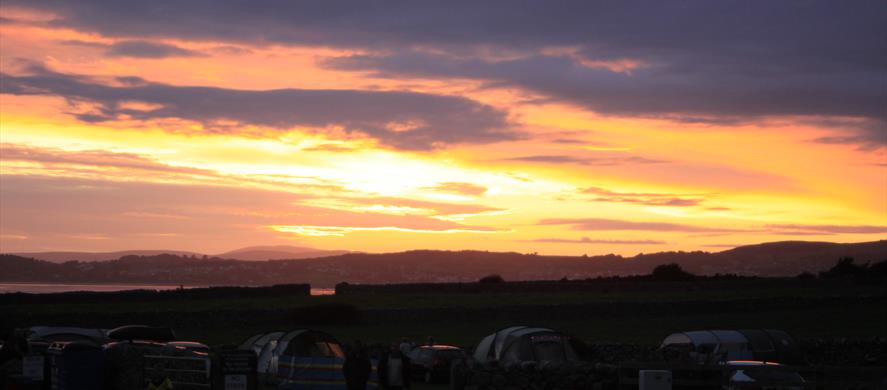
The Ribble Coast and Wetlands is being developed as a new destination where you can enjoy peace and tranquility in a patchwork of stunning wetland landscapes with an abundance of birdlife.
This wonderful secret can be discovered around the Ribble Estuary, and stretches along the coast from Southport and Ainsdale to Lytham St Annes which face each other across the glistening water. The area also rejoices in natural inland attractions to the south of the estuary and up the river to the east of Preston where additional attractions are being developed.
The contrasting coastline of the Ribble Coast and Wetlands offers something different each and every day. Vast sun-baked sands, with flocks of wading birds scurrying along the strandline as the waves ebb and flow, give way to windswept sand dunes rich in butterflies, moths and other insects and marshes with gently grazing cattle. Low tides uncover vast areas of salt marsh and mudflats giving the impression of a desolate wasteland. The mud however supports multitudes of small burrowing creatures providing food for tens of thousands of birds.
Further inland between the fields, in the area that used to be the largest lake in England, you can find yourself in pockets of woodland, wet meadows, reed beds, sandy heaths, and smaller lakes that are home to internationally significant numbers of ducks, geese, swans and wading birds.
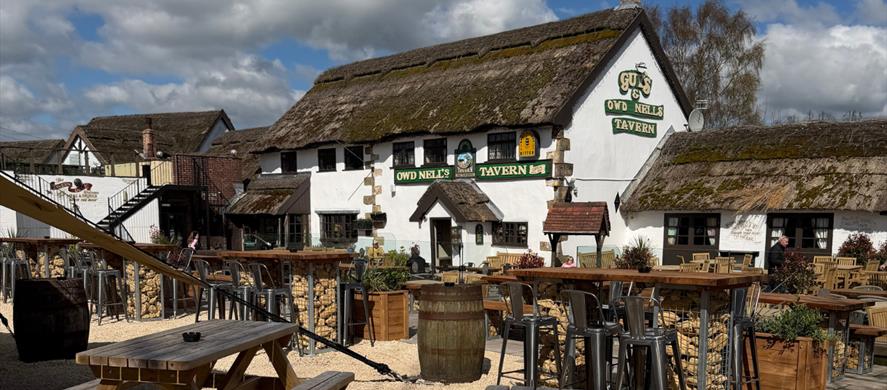
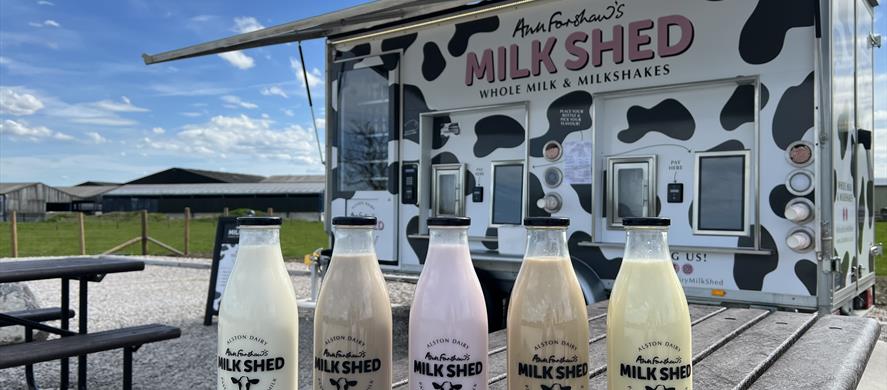
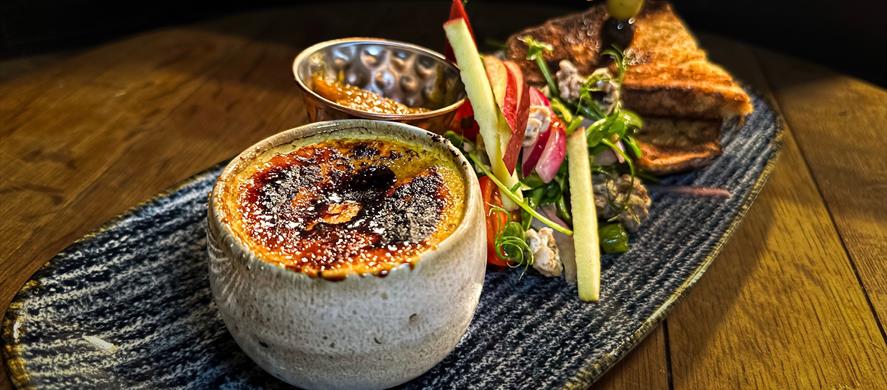
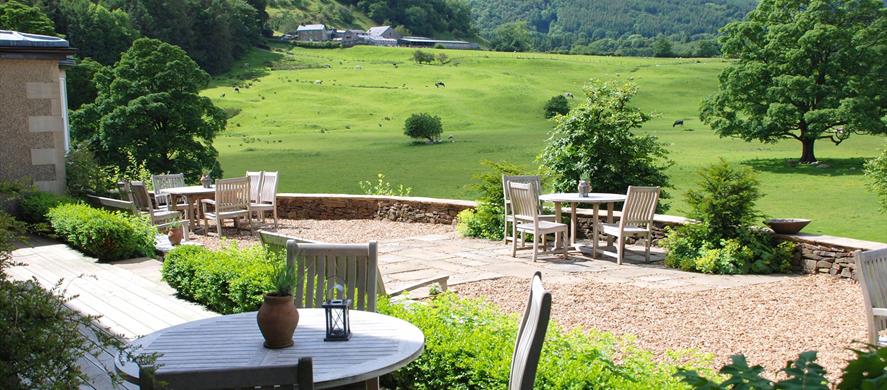
And when you've been inspired by nature, relax in one of the many teashops and cafes, or visit farm shops and craft centres for local produce or that special gift.
There are already lots of things to see and do in the Ribble Coast and Wetlands throughout the year. Whether you like to walk or cycle or join in with organised activities on offer at the many visitor centres you are sure to find something that suits you.

Those with an eye for nature will particular enjoy the many thousands of migrating birds in spring and autumn; and the vast flocks of over-wintering birds are a magical sight to see. In addition the Ribble Coast and Wetlands hosts walking festivals in February and October half-terms with a variety of walks for all ages and abilities.
If you want to see the birds close-up there are lots of places to do so. You can walk along the coastal paths and visit the hides at Marshside and Hesketh Out Marsh RSPB Reserves or go to RSPB Ribble Discovery Centre at Granny's Bay where a CCTV camera provides a "window on the estuary".
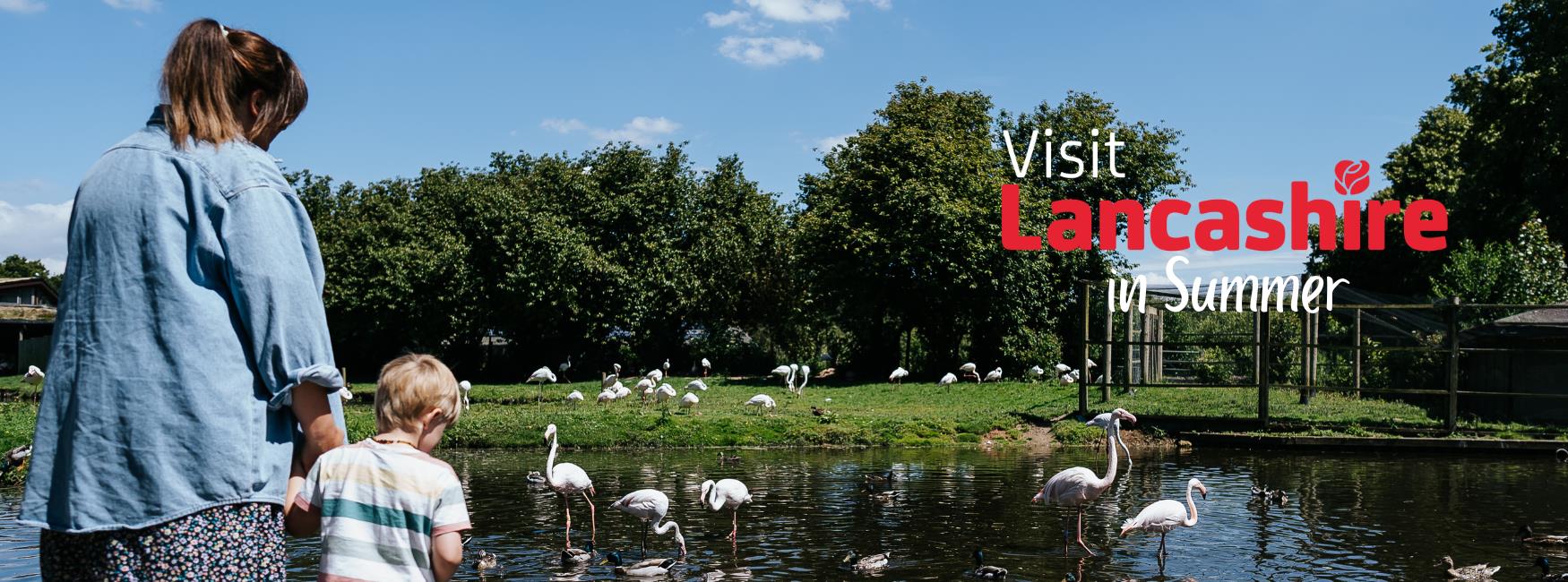
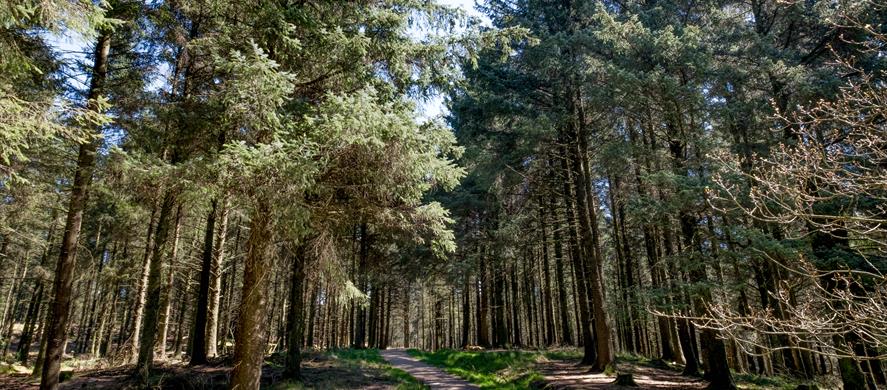
At Martin Mere Wetlands Centre you can come into close contact with wetlands and their wildlife including Waterfowl and thousands of ducks, geese and swans in winter. Close by, Mere Sands Wood is a wildlife-rich haven in the heart of agricultural West Lancashire made up of lakes, mature broadleaved and conifer woodland, sandy, wet meadows and heaths. Closer to Preston you can find Longton Brickcroft a managed wildlife reserve on the site of a former brickworks.
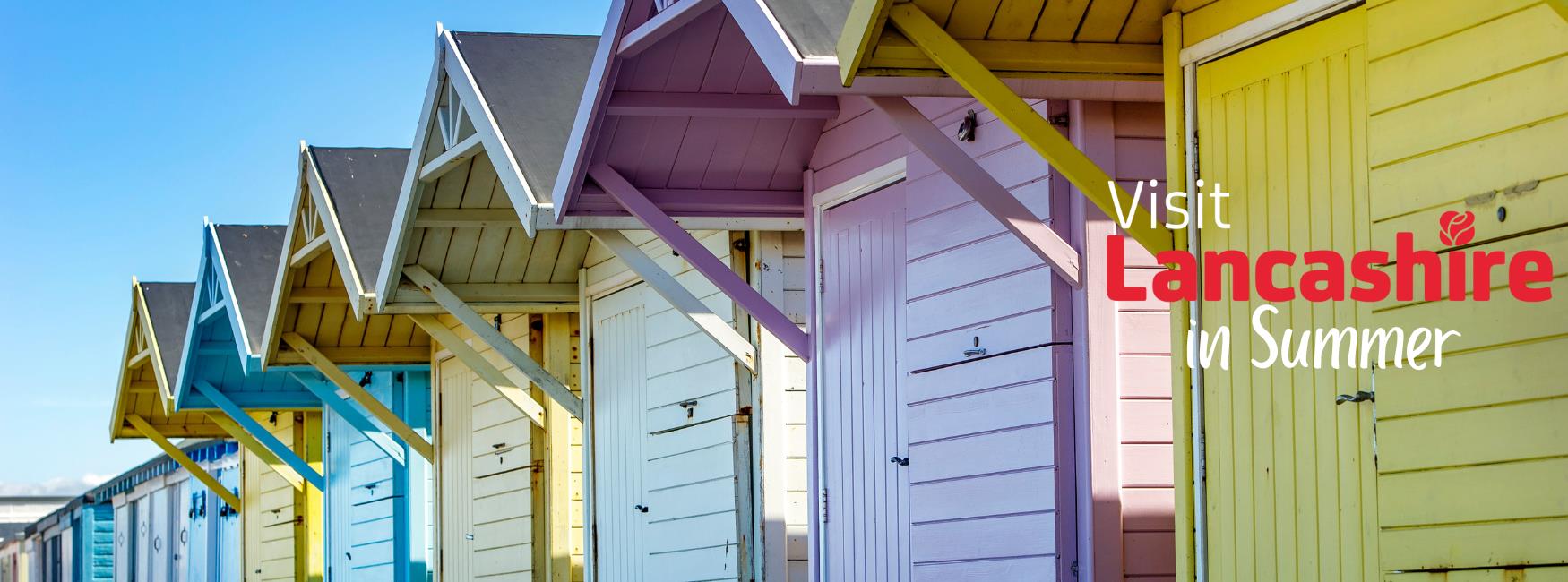
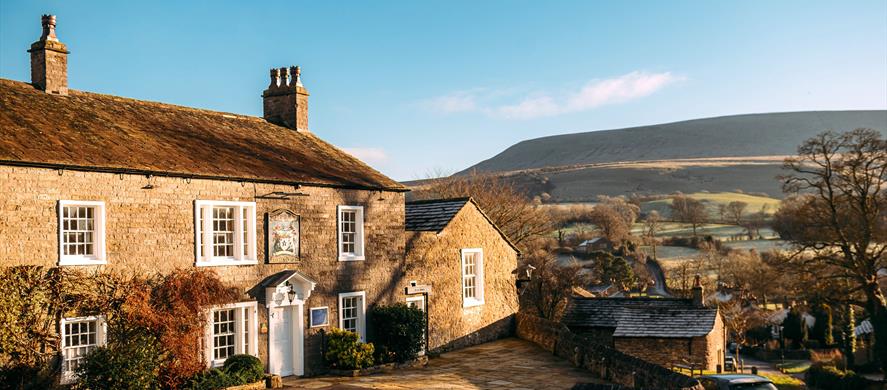
In addition to the wildlife there are traditional seaside resorts such as Lytham St Annes with five miles of sandy beaches and a number of picturesque villages such as Rufford which is home to the famous Rufford Old Hall, one of National Trust’s most beautiful properties in the North West. The Rufford Branch of the Leeds Liverpool Canal connects to the Ribble Estuary via the River Douglas and provides an ideal way of seeing the gentle countryside whether by boat or on foot. There are Marinas at Rufford, and at Preston Docklands which connects to the Lancaster Canal via the Ribble Link. Victorian parks along side the River Ribble in Preston provide a contrast to the natural attractions and a link via the Ribble Way to the developing attractions to the east.
Book Accommodation in Ribble Coast and Wetlands
A List of bookable accommodation in [destination]
Find What's On in Ribble Coast and Wetlands
A List of current and upcoming events in [destination]
Find Things To Do in Ribble Coast and Wetlands
A List of things to do in Ribble Coast and Wetlands
Get advice from real travellers for your Lancashire holiday.